Behind the Pumps
April 2, 2026
Protect your equipment and fuel system—learn why regular fuel testing prevents costly damage and downtime.
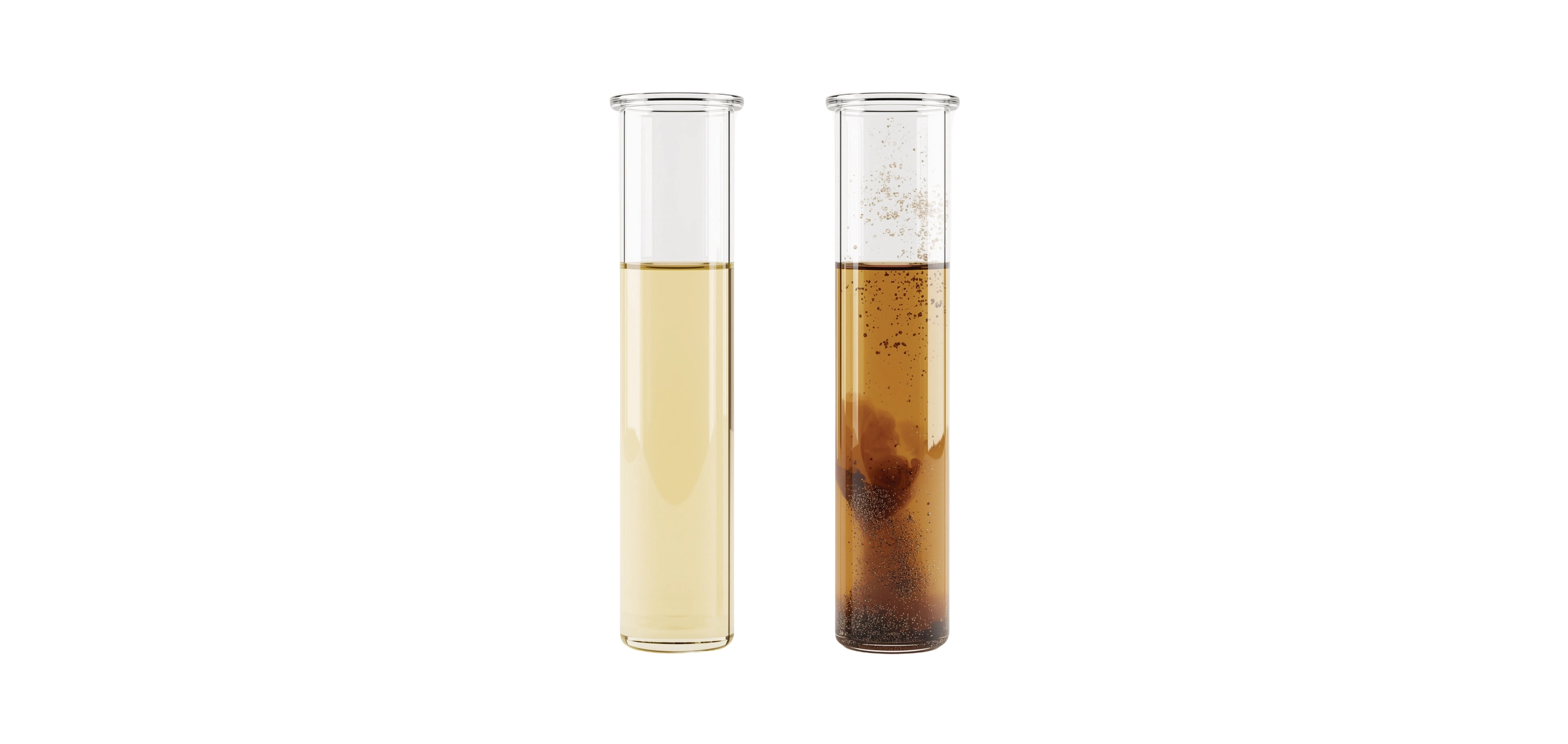
At Zahl Petroleum Maintenance Co., we understand that your fuel isn’t just a commodity — it’s the lifeblood of your fleet, heavy duty equipment, and emergency power systems. Over time, even high quality fuel can accumulate water, microbes, and other contaminants that impair performance and damage fuel systems. That’s why regular fuel testing is essential — it gives you actionable data to prevent failures, extend component life, and avoid costly repairs.
Leading industry organizations underscore the need for fuel quality management. The American Petroleum Institute (API) develops hundreds of consensus based standards designed to support safety, operational reliability, and quality control across the petroleum industry — including practices related to fuel handling, storage, and contamination control. API standards and recommendations are widely used by operators to keep fuel systems performing properly.
Similarly, the Petroleum Equipment Institute (PEI) publishes recommended practices that help the energy handling equipment community address operational issues — including preventing contamination, maintaining tanks and fueling systems, and promoting safe, reliable performance.
Our fleet fuel testing packages focus on the main contaminants that build up over time:
Stored fuel, like that in generator tanks, faces additional risks due to long holding times and low turnover. Our generator testing package includes:
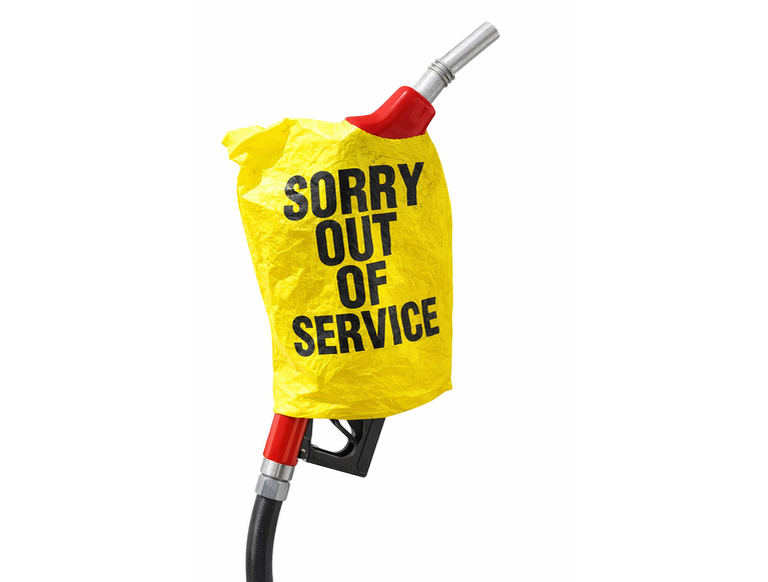
Without regular testing, water accumulation or bacterial contamination can go unnoticed until costly breakdowns occur. Fuel testing helps you:
Regular fuel testing isn’t optional — it’s a proactive step that aligns with industry best practices and standards. Partnering with Zahl Petroleum Maintenance Co. ensures your fuel stays clean, your equipment stays protected, and your operations stay on track.
Questions or need guidance on fuel testing? Reach out to Paul Calhoun, Fuel Testing Specialist, to learn how our solutions can keep your fuel systems running safely and efficiently.
We’re offering 20% off your first fuel test for new customers. There’s no better time to ensure your fleet or generator fuel is ready for peak performance — schedule your test today!
Powered by Zahl‑PMC, Behind the Pumps is your source for industry updates, expert insights, practical tips, and company news.

.jpg)